A PLACE STORY
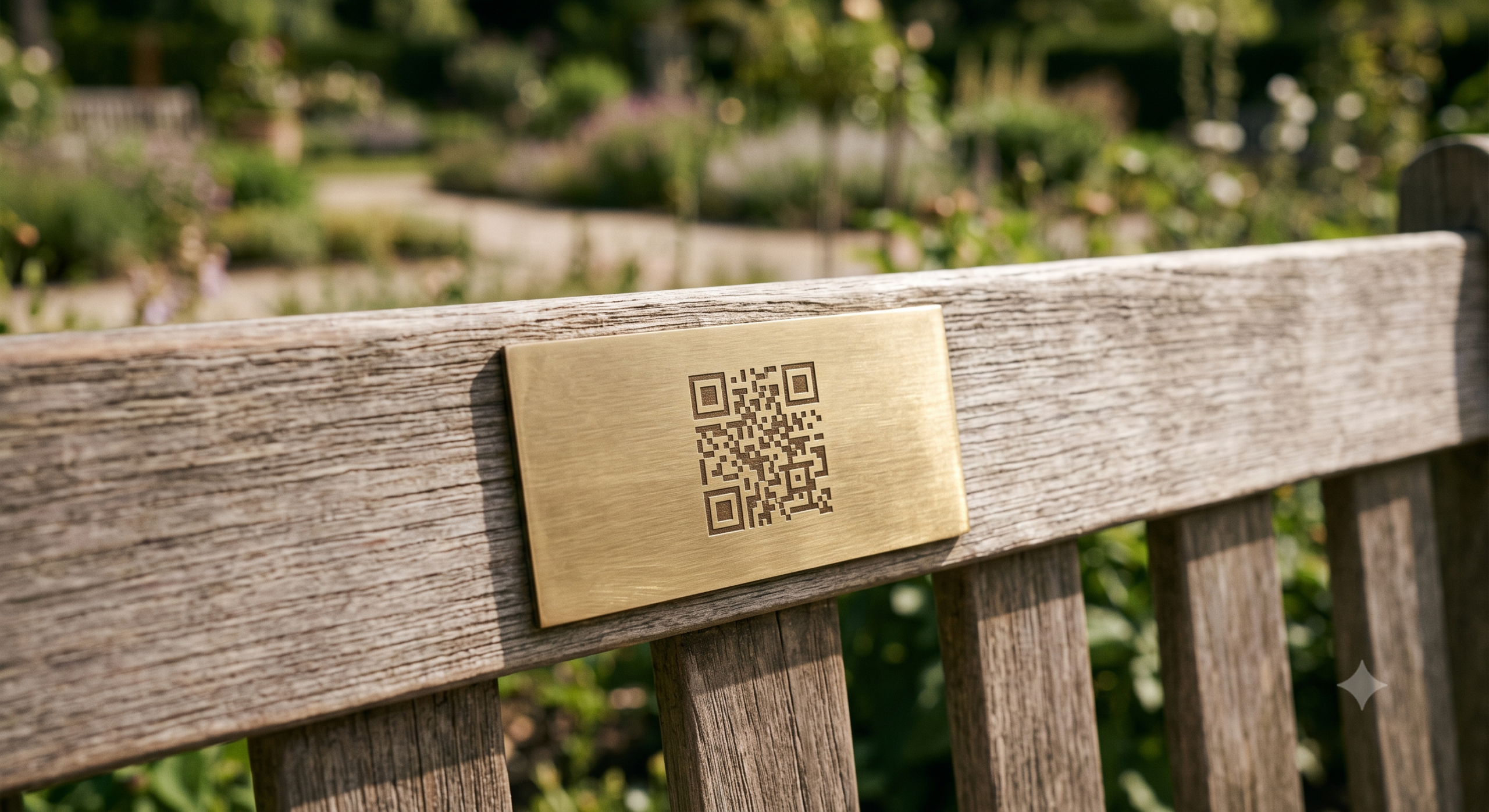
The Bench at the
Turn in the Path
Some places are only ordinary until you know what happened there.
“We never called it our bench. We just always ended up there.”

Why this place matters
I first remember the bench when I was eight. My mother and I walked the same path most Sunday mornings, usually carrying more conversation than picnic.
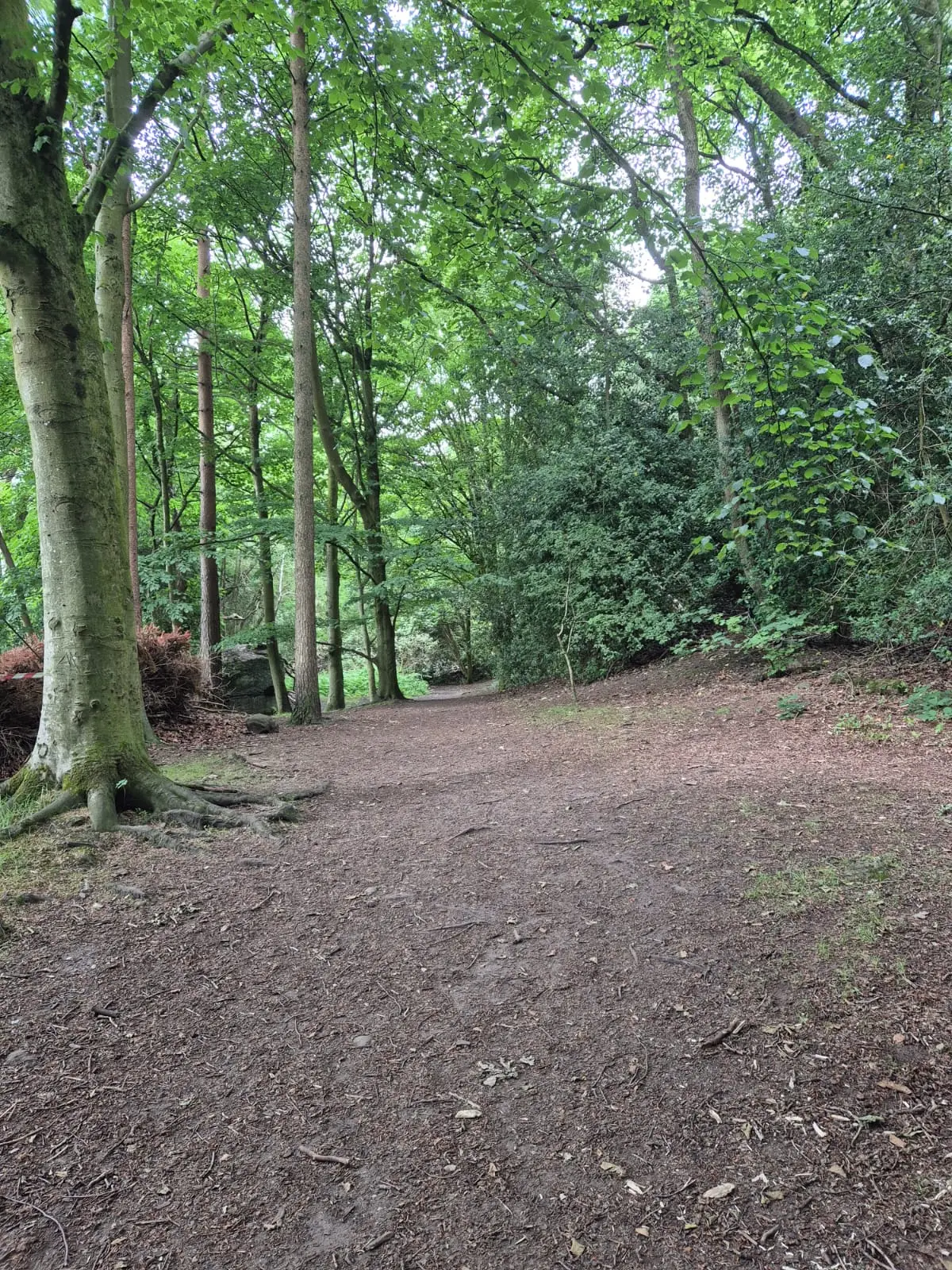
The bench sat at the bend where the trees opened just enough to let in a stripe of sky. It was exactly halfway between the car park and the little bridge, which meant it became the place where we stopped pretending we weren’t tired.
She brought tea in a blue flask. I brought complaints about school, scraped knees, impossible friendships and, later, boys she claimed not to be curious about.
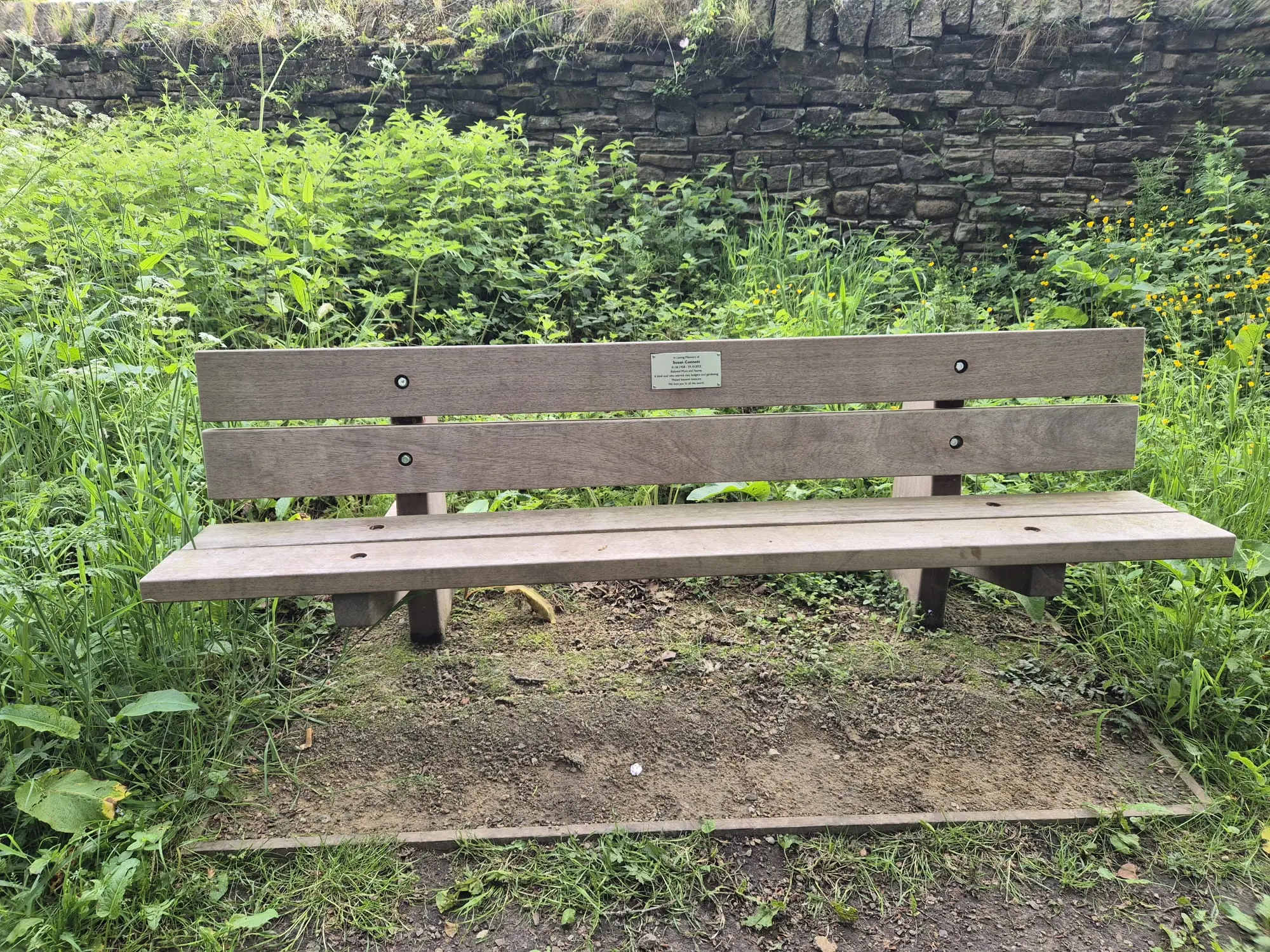
Nothing about the bench was beautiful. The paint peeled. One plank creaked. In winter it was nearly always damp.
But it was where we had time.




WHAT HAPPENED HERE
One Sunday, the bench became part of the family.
When I was twenty-nine, I asked Mum to walk with me. I had rehearsed a clever way of telling her I was pregnant. By the time we reached the bench, every clever sentence had disappeared.
I simply said, “You’re going to be a granny.”
She stared at me for three full seconds, burst into tears, laughed, and then — because she was still herself even in the middle of a life-changing moment — asked whether I had eaten.
Years later, my daughter sat between us on the same bench, swinging legs that didn’t reach the ground and stealing the peppermints from her grandmother’s handbag.
Three generations. One creaky plank. A ridiculous number of peppermints.
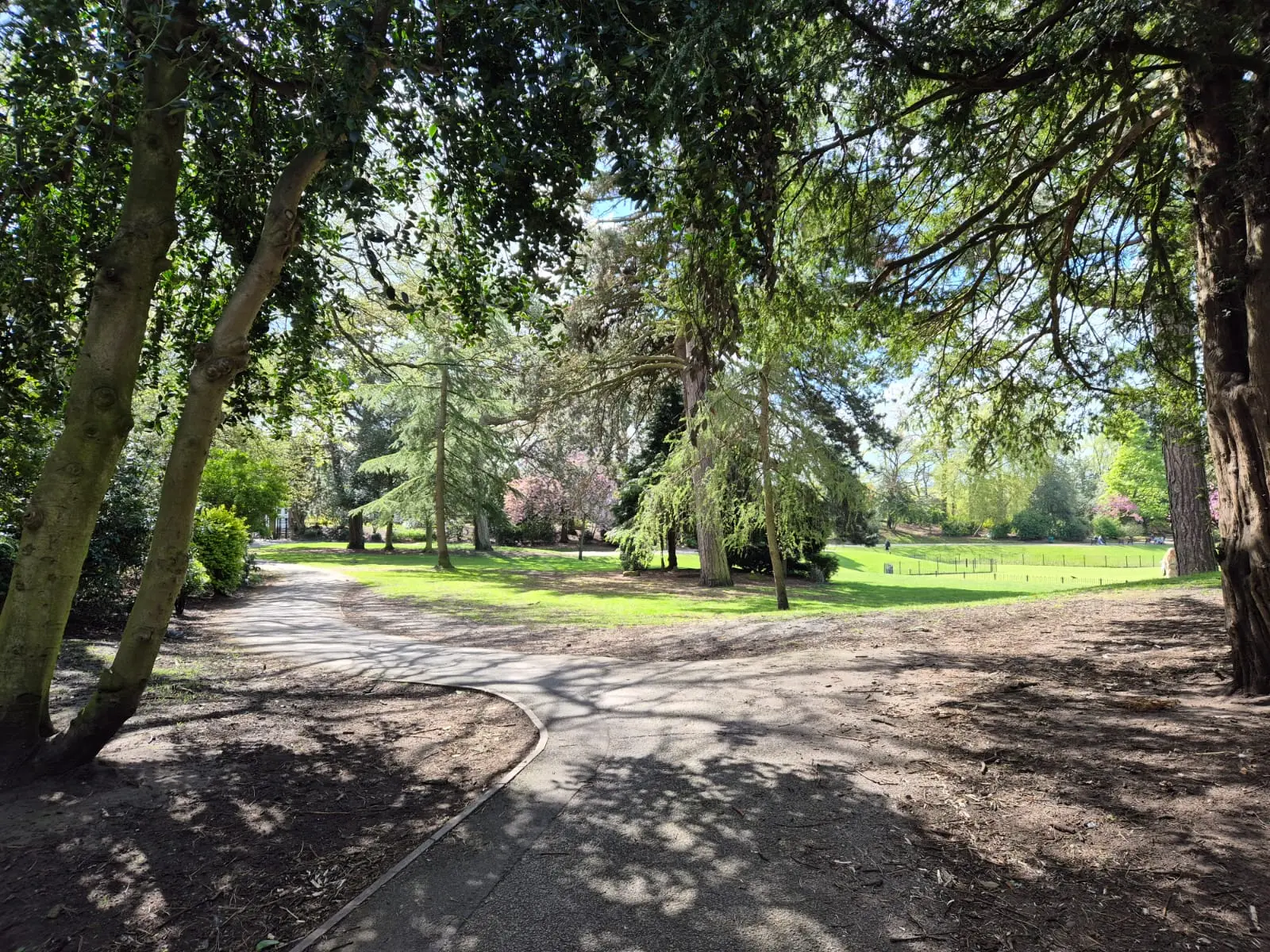
The path changed. We did too.
There were years when we walked it every week and years when months passed without us going near it. The trees grew taller. The bridge was replaced. Someone painted the bench green, then brown, then green again.
Every time I returned, I could measure my life against that bend in the path.
What you would never guess by looking at it
To everyone else it is a public bench beside a path. To us, it has an entire private archive.
The scratch
There is a long mark beneath the left arm where our old dog’s lead caught every time he circled us impatiently.
The sound
The right-hand plank complains when you sit down too quickly. We learned to recognise that squeak before we could see who had arrived.
The ritual
Tea first. Peppermint second. Serious conversation only after both. This rule survived childhood, adulthood and motherhood.


WHAT REMINDS YOU?
Memory is rarely one thing.
It is usually a pile of tiny details that make no sense to anyone else.
01
Wet leaves
That green, earthy smell after rain, when every footstep sounded louder.
02
The flask lid
The plastic click of Mum unscrewing the blue lid and using it as a cup.
03
Peppermint
Always wrapped in paper. Always offered at precisely the moment you were about to cry.
04
The creak
One plank, one complaint, one sound that still makes me turn my head.
The long way home
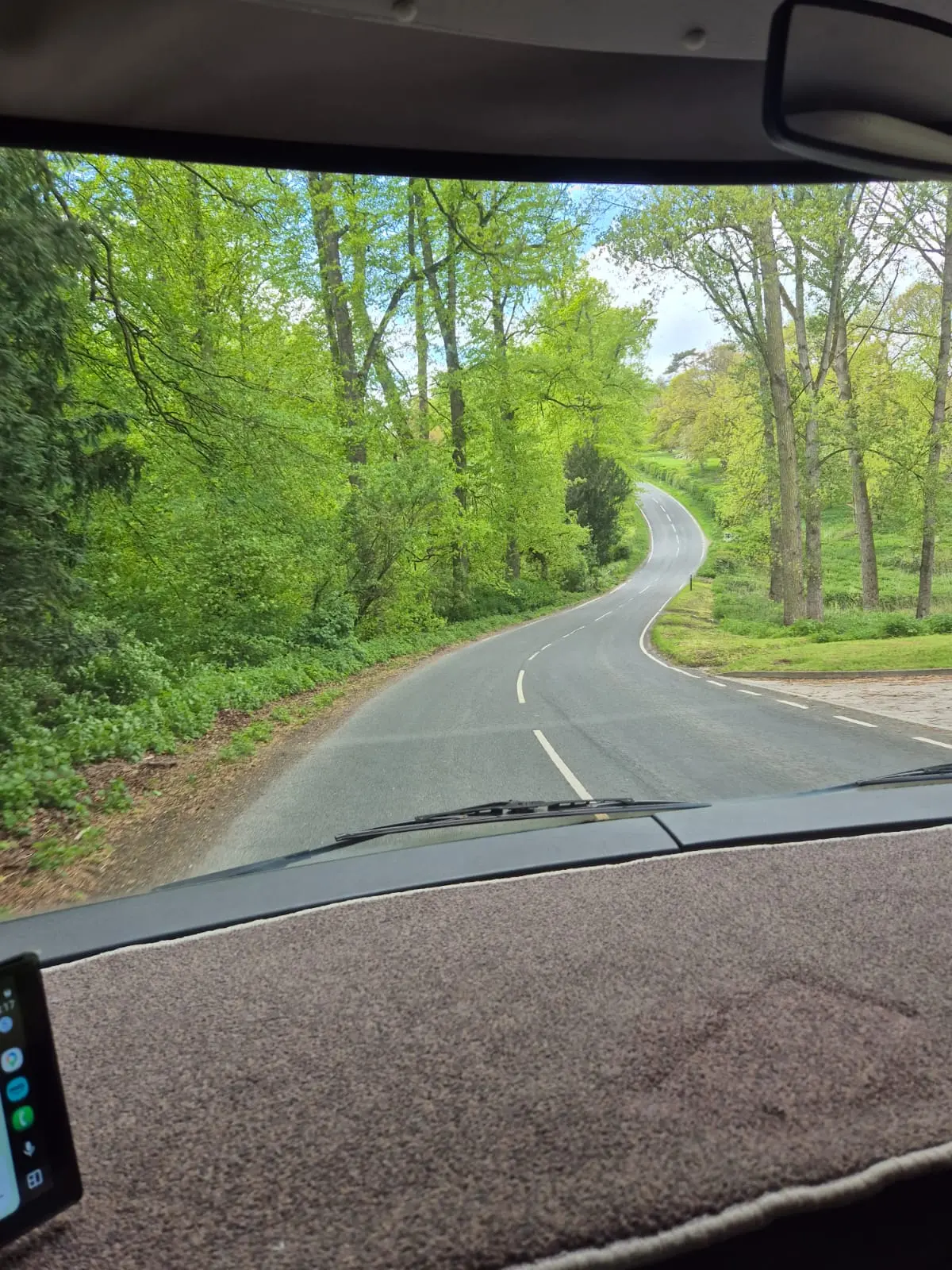
When my daughter was little, we sometimes drove home the long way just to pass the entrance to the path. She would point from the back seat and say, “Granny’s bench.”
She is older now. She has places of her own.
I like that she still knows this one.
Perhaps that is how a place becomes part of a family: not because we own it, but because we keep returning.
IF YOU ARE STANDING HERE NOW
You do not need to know our story to sit down.
You do not need to know which plank creaks, where Mum kept the peppermints, or exactly where my daughter’s feet used to swing above the ground.
Just stay for a minute.
Look at the path. Notice who you are with. Finish the conversation instead of rushing back to the car.
Someone else may need this place one day.

This is what a place can hold.
A story does not need to begin with a famous building, an extraordinary event or a name everyone recognises.
Sometimes it begins with a bench, a path, a sound, a smell — and the decision to explain why it mattered.
What place would tell part of your story?